Skip to content
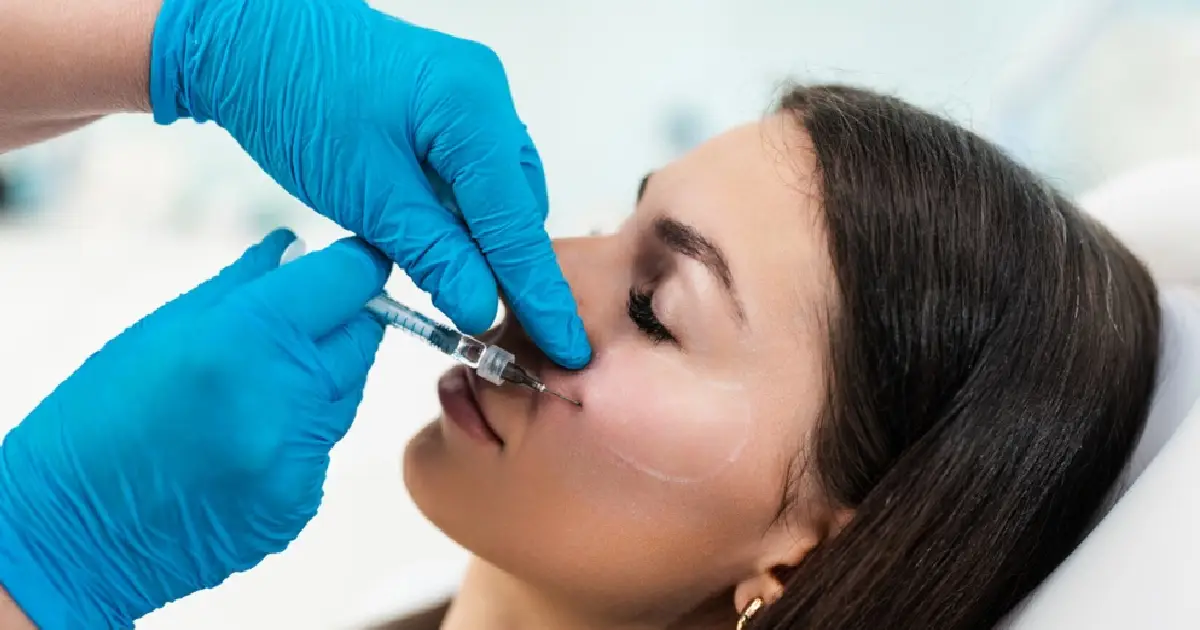
Table of Contents
Choosing a dermal filler can feel a little confusing at first. Many options are designed to restore volume, smooth lines, or support facial balance, but they do not all work the same way once placed in the skin.
At The Aesthetic Effect, our Hyaluronic Acid Fillers in Novato, CA focuses on FDA-approved Juvéderm hyaluronic acid filler to smooth fine lines, restore volume, enhance facial contours, and add natural-looking fullness and hydration.
How are hyaluronic acid fillers different from other dermal fillers?
Hyaluronic acid fillers are gel-based fillers that attract and hold moisture while adding soft, temporary volume to targeted areas of the face. Compared with other dermal fillers, HA fillers are often chosen for their flexible feel, natural-looking movement, visible results, and the ability to make adjustments over time when clinically appropriate.
Quick Snapshot: Hyaluronic Acid Fillers Vs. Other Dermal Fillers
Hyaluronic Acid Fillers are made with hyaluronic acid, a moisture-binding substance found naturally in the skin. In filler form, it creates a smooth gel that can restore volume, soften wrinkles, and enhance facial contours.
Other dermal fillers may be made with ingredients such as calcium hydroxylapatite, poly-L-lactic acid, PMMA, or a patient’s own fat. These options can have different textures, timelines, and uses. Some are designed more for structure, while others focus on collagen stimulation or longer-lasting correction.
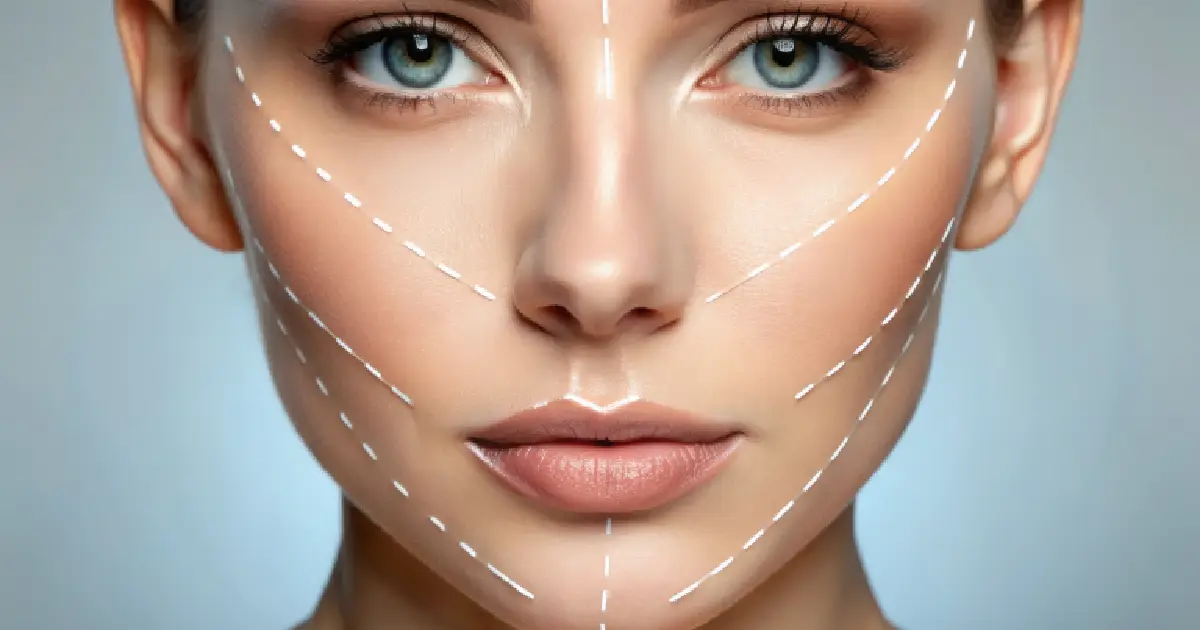
The Aesthetic Effect uses FDA-approved Juvéderm HA filler. Common treatment areas include the temples, under-eye hollows, cheeks, nasolabial folds, lips, chin, and jawline. These areas are often treated to achieve soft volume, improved facial balance, and a refreshed look without surgery.
The biggest differences usually come down to:
- How quickly results appear
- How soft or structured the filler feels
- How long will the filler last
- How flexible the treatment plan can be over time
Best Choice For Volume, Hydration, And Soft Facial Contouring
HA fillers are often a good choice when someone is looking for volume that still looks soft and moves naturally with the face. This is important in the smile lines, lips, cheeks and hollows under the eyes, where too much firmness can appear less balanced.
Because hyaluronic acid attracts moisture, HA fillers can also support a smoother, more hydrated look in treated areas. That does not mean they replace skincare, but they can help restore volume and fullness in a way that complements skin rejuvenation goals.
Other dermal fillers may be preferred for deeper support or for gradual collagen building. For example, Sculptra, which we also offer as a separate service, is often discussed as a collagen-stimulating injectable rather than a traditional HA filler. That distinction matters because the best filler depends on the concern being treated.
For patients who want subtle shaping, soft fullness, or their first filler experience, HA Fillers are often a practical place to begin.
Differences In Results And Timeline
One reason people like HA fillers is that results are typically visible soon after treatment. The treated area may look fuller or smoother right away, then continue to settle as swelling improves. HA filler results usually settle within about two weeks.
Other filler types can follow a different timeline. Some provide immediate structure, while collagen-stimulating fillers may develop more gradually because they work with the body’s collagen response. That slower timeline can be helpful for certain goals, but it may not be ideal for someone who wants a visible change sooner.
Longevity also varies. At The Aesthetic Effect, Juvéderm HA filler results may last from about 12 months to two years, depending on the product, treatment area, metabolism, and treatment plan. Other fillers may last shorter or longer depending on their formula and placement.
A temporary filler can actually be reassuring. Facial preferences can change, aging continues, and a flexible plan allows the provider to refine the look over time.
Differences In Feel, Flexibility, And Adjustability
The way a filler feels after placement is just as important as how it looks. HA fillers are often selected for areas that need softness, smoothness, and movement. Lips, cheeks, and smile lines all benefit from a filler that can blend with natural expression.
Another significant difference is adjustability. Hyaluronidase can often be used to adjust or dissolve HA fillers when clinically indicated. That is not to say that changes are always necessary, but it does provide more flexibility for both the patient and the provider.
Some longer-lasting fillers are less adjustable once placed. That can make them useful in the right situation, but it also means planning and injection experience become even more important.
This is why filler should never be chosen based on a product name alone. Placement, depth, amount, facial anatomy, and patient goals all shape the final result.
How Providers Decide Which Filler Fits
A good filler recommendation begins with the individual in front of the provider, not with a trend. At The Aesthetic Effect, HA fillers can be used to balance the face, restore volume, smooth fine lines, and improve light reflection by reducing shadows.
A provider might look at:
- Skin Quality and Facial Structure
- Areas of volume loss or shadowing
- Lip shape, cheek support, chin balance, or jawline definition
- How much change does the patient want
- Comfort level with temporary versus longer-lasting correction
To those new to fillers, HA may seem like a simpler anti-aging procedure, with a visible change without the commitment to a very long-lasting filler. If you have more extensive volume loss or are concerned about collagen loss, we can discuss another option such as Sculptra separately.
The goal is not to make every face look the same. The goal is to choose the product and placement that support your features.
Can Hyaluronic Acid Fillers Be Combined With Other Dermal Fillers?
In some cases, yes, different filler types can play different roles. One area of the face may need soft HA filler, while another may benefit from a product designed for gradual collagen support.
For example, Juvéderm HA filler may be used for lips, nasolabial folds, cheeks, or jawline contouring when softness and flexibility matter. Sculptra may be considered separately when the goal is broader, long-term collagen stimulation.
Combination planning should still stay thoughtful. More does not always mean better. A skilled provider will consider proportions, movement, skin quality, and how each treatment fits into the larger plan for facial rejuvenation.
A Natural-Looking Result Starts With The Right Match
Unlike other dermal fillers, hyaluronic acid fillers offer soft volume, hydration, flexibility and visible results, while remaining a temporary treatment plan. When deeper structure, collagen stimulation, or longer-lasting support is desired, other dermal fillers may be appropriate, but HA fillers remain a great option for many patients seeking balanced, natural-looking refinement.
At The Aesthetic Effect, we use FDA-approved Juvéderm hyaluronic acid filler for areas such as the lips, cheeks, temples, under-eye hollows, nasolabial folds, chin, and jawline. Contact us to check if hyaluronic acid fillers are right for you.